
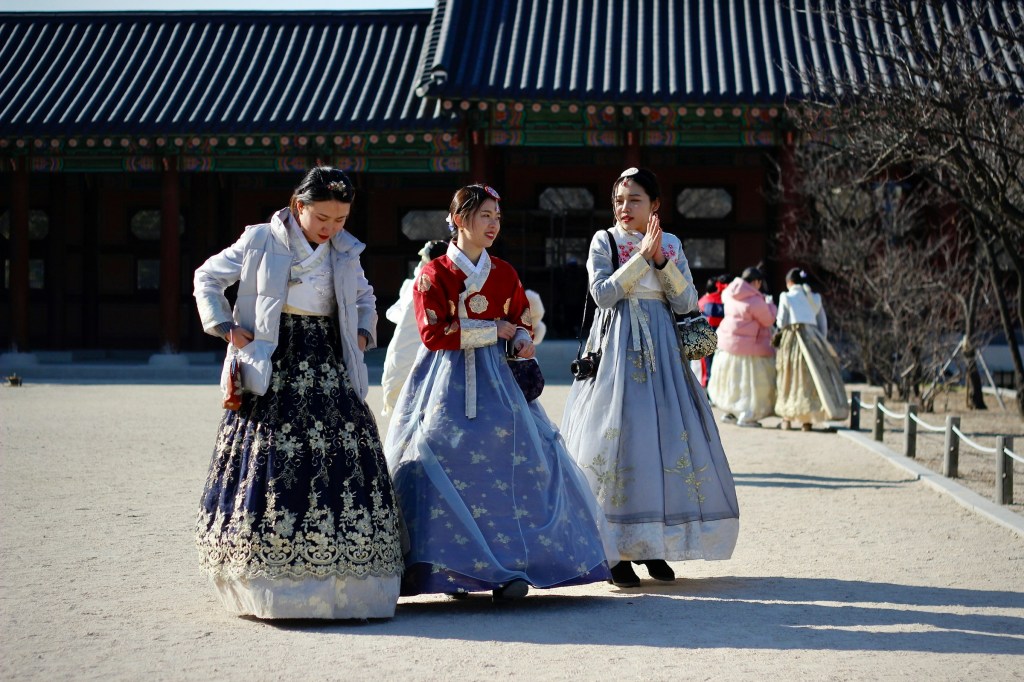
Photograph above is by David and Jessie, 2009. https://www.flickr.com/photos/cmichel67/8448662469/. License: https://creativecommons.org/licenses/by-sa/2.0/deed.en
Located in northern Myanmar, Wa State is a country that is de facto independent but de jure subordinate to Naypyidaw. The people in this region learn and speak Chinese, translate th0eir names into Chinese, use the yuan as currency, and have their phones connected to Chinese lines. Despite being a small region, it is widely believed to have one of the strongest armies in the civil war. Interestingly, the region has chosen voluntary assimilation as a survival strategy. Bao Youxiang, formerly known as Tax Log Pang in the regions native Wa language, leads the United Wa State Party, ruling the region with a firm hand since it split from the Communist Party of Burma.
While covering interviews and articles about the Myanmar Civil War this week, it’s essential to highlight the interesting aspects of this unique country. In this article, we will focus on Wa State, and its development.
After the founding fathers such as Aung San, who thought that the country should sit on a multicultural basis, were assassinated in a short period of 5 months, and after the centralist and Bamar nationalist U Nu came to power, the fate of the country changed. Militias and democracy forces from other ethnic minorities rose up for their rights and started to take up arms.
China’s involvement in Myanmar dates back to the 1950s, when they established connections with the Communist Party of Burma to counter the Kuomintang forces that had taken refuge in Myanmar. The Communist Party of Burma initiated attacks on the Kuomintang bases. In 1989, the Communist Party of Myanmar splintered into separate ethnic factions, one of which was the United Wa State Party. After prolonged conflict, the Tatmadaw, Myanmar’s military, permitted the ethnic armies to have official authority in the regions they controlled, on the condition that they cease hostilities against the state. As a result, the Wa State was formed.
China wanting to establish a base to exert influence over the Myanmar supported the Wa people with weapons and resources. s a result, the Wa people became closely tied to China, adopting Chinese language and names. China, on the other hand, gave millions of dollars worth of heavy weapons materials. In time, the Wa Army became the most equipped army in Myanmar. Although the Wa Army, which has armoured combat vehicles, the latest model weapons and even HN-5A ManPortable Air Defense Systems, currently collaborates with the military junta, the Wa Army’s future actions will depend on China’s stance toward the junta, which appears to be deteriorating.
The Wa people and state appreciate the support from China. They use Chinese products and are governed in a similar way to China with a CCP-style party. Their army closely resembles the Chinese army and they organize army marches like China. The Wa state distributes its illegally produced poppy products to Asia and serves as a gambling base for the Chinese. The future of Wa State, which is increasingly influenced by Chinese culture and resembles a Chinese town, is still uncertain. Despite having one of the strongest armies in the region, their dependency on China raises concerns about their future. While sacrificing their national identity for national and personal interests and becoming a kind of puppet of China may seem beneficial for the Wa people and the state at present, their future remains uncertain. Only time will tell whether their maneuver for self-independence against Bamar-dominated Myanmar will be successful.


 Civilizatio
Leave a comment